Solar Wireless Charging: Photovoltaic Integration Explained
By Mira Chen • 12th Apr
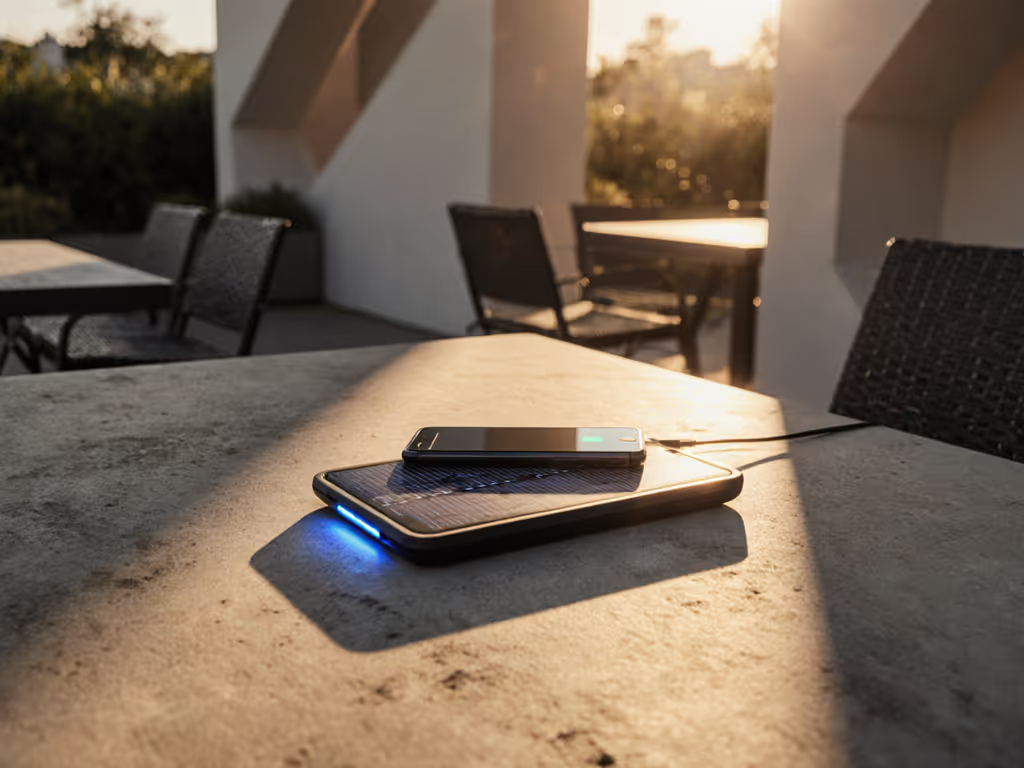
Solar wireless charging and photovoltaic wireless integration sound futuristic, but the reality is far simpler, and more constrained, than the marketing suggests. This guide cuts through the hype and walks you through what actually works, where the limits sit, and whether a solar charging mat makes sense for your workflow.
What Is Solar Wireless Charging?
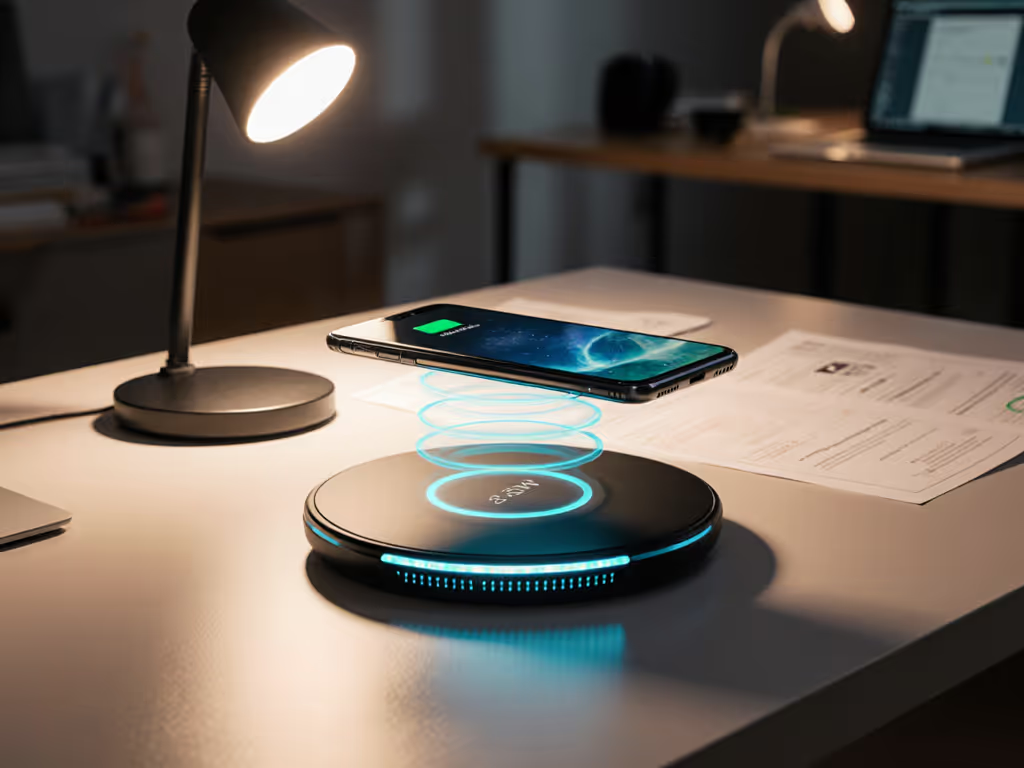
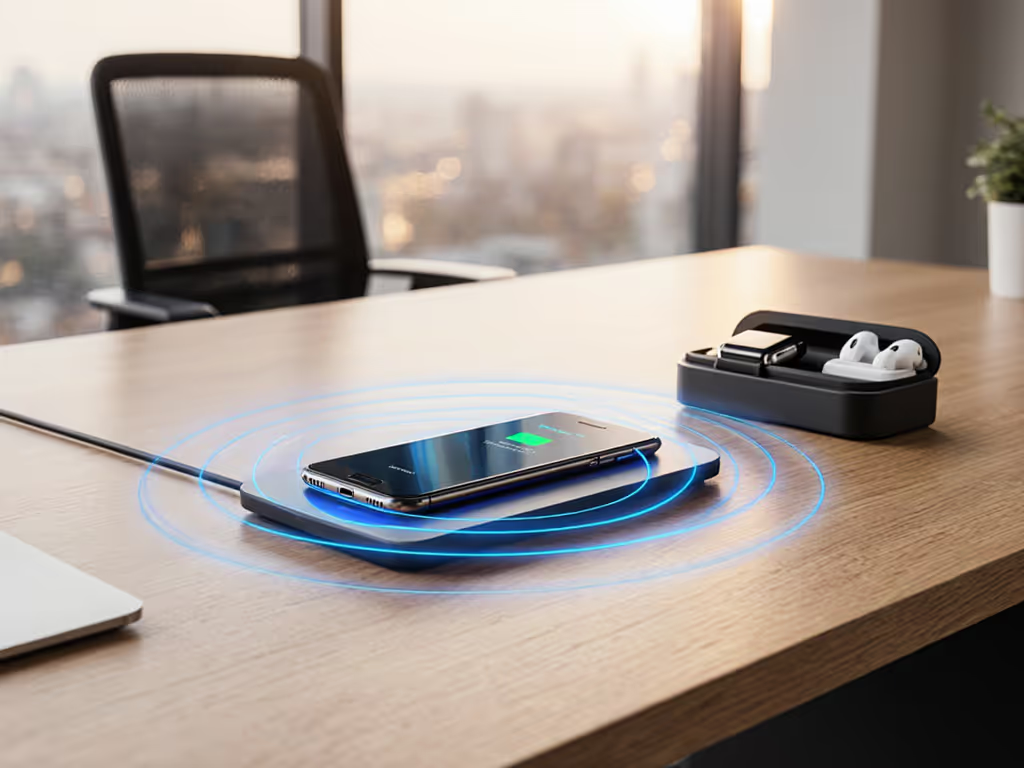
Solar wireless charging combines two separate technologies: photovoltaic solar panels that convert sunlight into DC power, and wireless induction (usually Qi or MagSafe) that transfers that power to your device over a short distance without a cable connection.
In theory, you place a solar panel in sunlight, it feeds power to a wireless charger pad, and your phone charges without you plugging anything in. No wires, no mess, no dependency on grid power. The appeal is obvious for travel, outdoor work, or emergency backup. For step-by-step setups that stay stable off-grid, see our solar integration guide.
In practice, wireless charging energy harvesting from a solar source introduces two major friction points: efficiency losses at each conversion step, and thermal management challenges that directly undermine the sustained charge rates you actually care about.
How Does Photovoltaic-to-Wireless Power Transfer Actually Work?
The power flow involves four stages, each with losses: For the physics behind coil coupling and losses, read induction efficiency explained.
- Solar panel output → DC electricity (efficiency: 15-22% for typical consumer panels under ideal sun)
- Charge controller regulation → stable DC voltage for the wireless pad (efficiency: 92-98%)
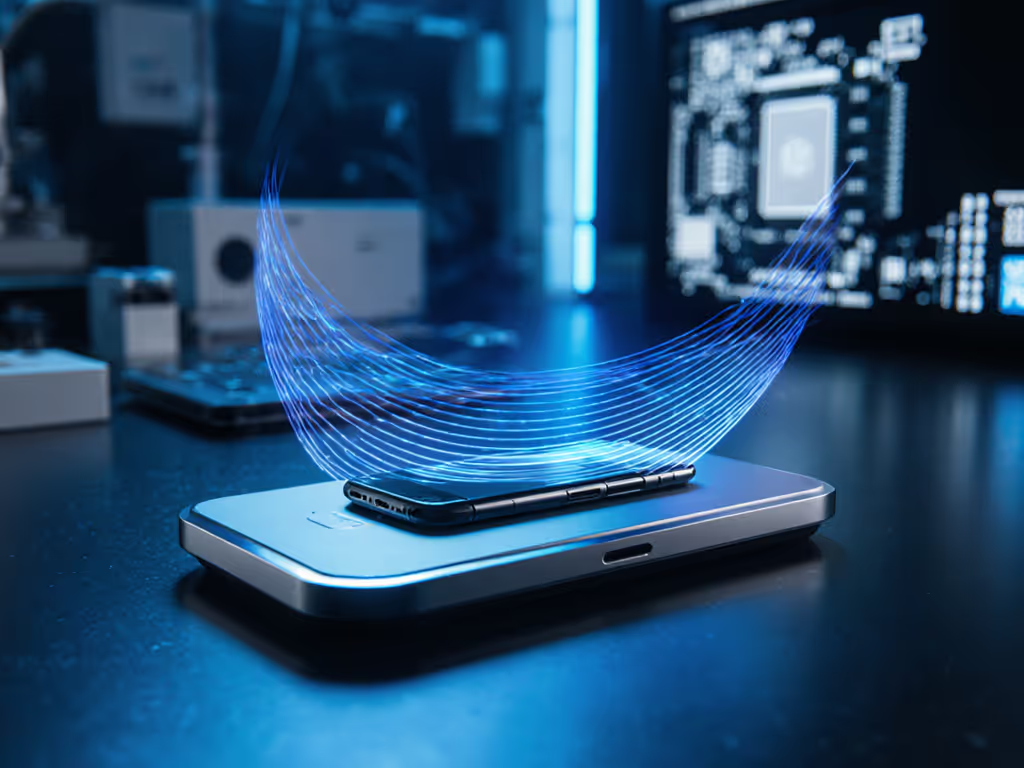
- Wireless coil induction → magnetic field transfer (efficiency: 70-85%, depending on coil design and alignment)
- Device receiver coil → battery charging (efficiency: 85-95%)
Multiply these together: 0.18 x 0.95 x 0.78 x 0.90 = 12% total system efficiency under best-case conditions. Real-world conditions (cloudy skies, misalignment, case material, ambient temperature) drop this further to 5-8%.
Contrast that with a standard USB-C or Lightning cable: 85-95% efficiency end to end. The solar-wireless hybrid wastes roughly 10 times more energy as heat. For a broader perspective on trade-offs, see our wireless vs wired charging comparison.
Why Isn't Solar Wireless Charging Mainstream for Consumer Devices?
Three hard reasons:
Thermal throttling is unavoidable. A 200-watt solar panel feeding a wireless pad generates surplus power that must dissipate as heat. I've watched solar conversion efficiency struggles firsthand: even a mid-range 15W pad paired with modest solar input results in coil temperatures climbing into the 40-45°C range within 15-20 minutes of sustained charging. As our wireless charging speed tests show, your device firmware responds by throttling charge speed by 30-50% to protect the battery. You end up with a system that advertises speeds it cannot sustain.
Related Articles