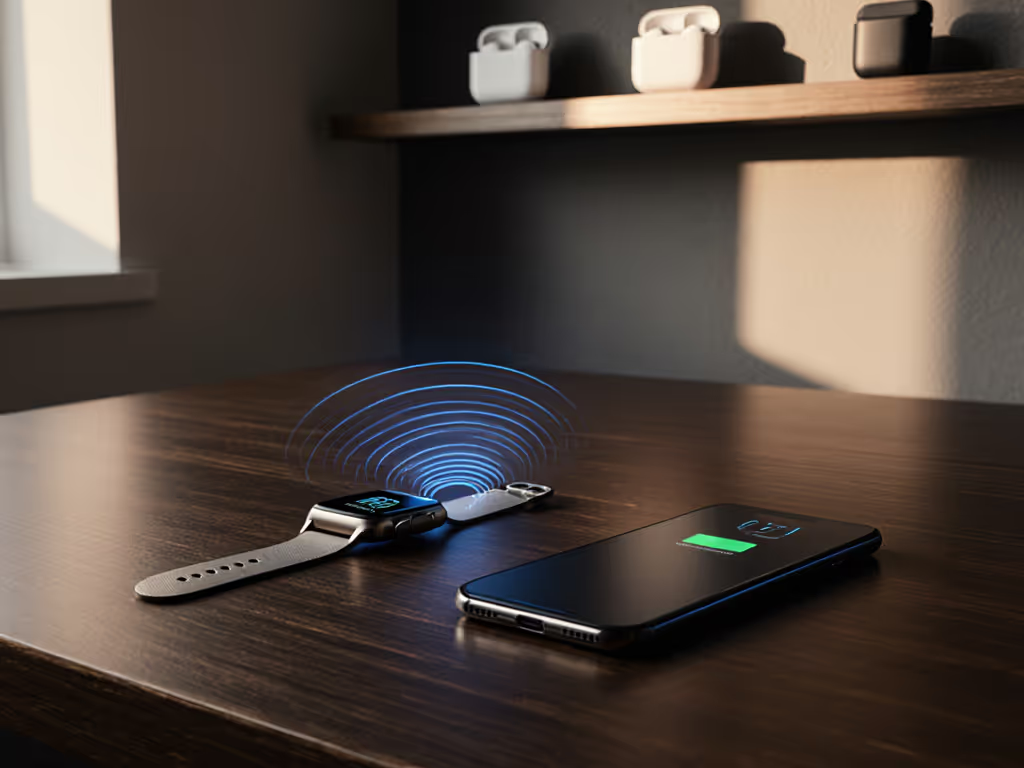
Medical Diagnostic Wireless Charging: FDA Compliance Guide
By Sanaa El-Belkhi • 6th Jan
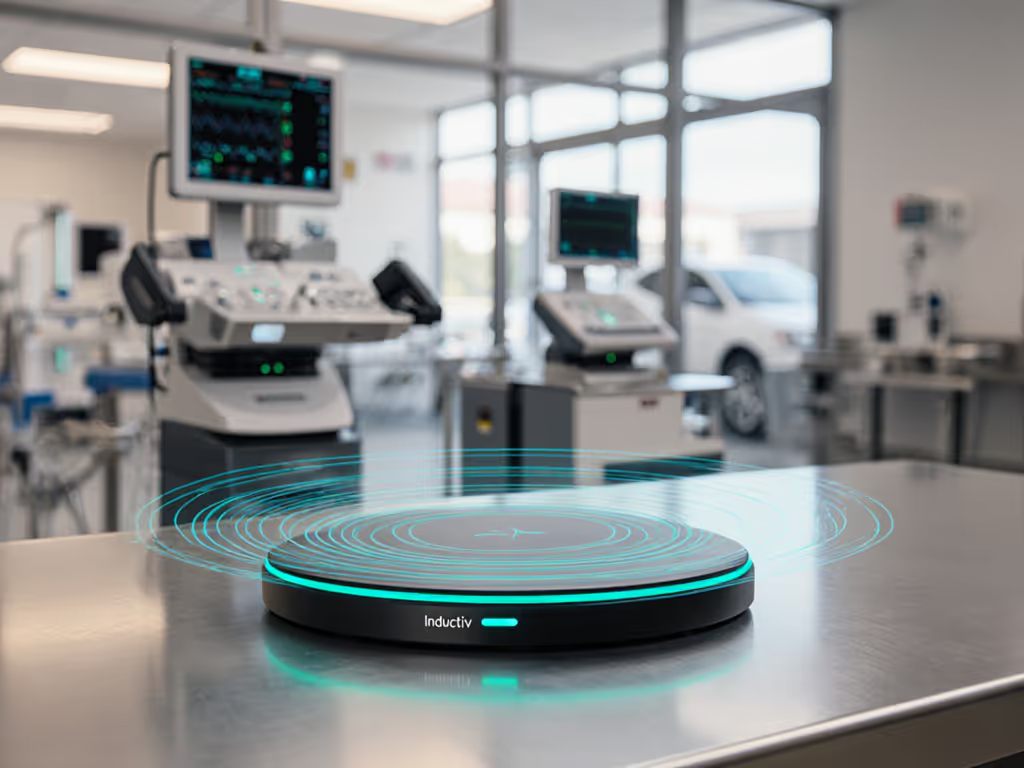
As portable medical diagnostic wireless charging systems become essential in mobile healthcare, understanding medical diagnostic wireless charging regulations and portable medical equipment power requirements is critical. The FDA has established specific guidelines for wireless technology in medical devices, particularly regarding electromagnetic compatibility (EMC) and safety. If you operate internationally, review our global overview of wireless charging regulations to align FDA work with CE, FCC, and other frameworks. For healthcare providers using diagnostic equipment in vehicles (whether ambulances, mobile clinics, or home healthcare visits), these regulations intersect with the practical realities of vehicle environments where temperature fluctuations, vibration, and alignment challenges can compromise both compliance and functionality.
Understanding FDA Requirements for Medical Wireless Technology
The FDA's guidance documents establish that any medical device incorporating wireless technology must undergo rigorous EMC testing to ensure it functions correctly without interference. This applies equally to blood analyzers, glucose monitors, and other diagnostic tools utilizing wireless charging. The agency specifically addresses concerns about:
- Electromagnetic interference (EMI) from surrounding devices
- Coexistence with other wireless technologies
- Security protocols for data transmission
- Environmental operating conditions
According to the FDA's Radio Frequency Wireless Technology guidance, "EMC should be an integral part of the development, design, testing, and performance for RF wireless medical devices." This means manufacturers must design with interference mitigation from the outset, not as an afterthought.
Key Compliance Considerations
When evaluating wireless charging systems for medical diagnostic equipment, pay attention to these FDA-mandated requirements:
- EMC testing protocols that simulate real-world electromagnetic environments
- Wireless coexistence testing to ensure operation doesn't interfere with nearby medical devices
- Temperature tolerance specifications that cover the full operational range
- Security measures preventing unauthorized access to device functions or data
- Clear labeling about operating environments and potential interference sources
A critical gap many manufacturers overlook is how vehicle-specific conditions affect medical device performance. The FDA recognizes that "an increasingly crowded RF environment" necessitates special attention to where devices will be used, not just laboratory conditions.
Vehicle-Specific Challenges for Medical Diagnostic Equipment
Mounts that hold alignment turn bumpy roads into non-events.
When mobile healthcare units transport diagnostic equipment, the vehicle environment introduces unique challenges that directly impact FDA compliance. I've worked with several ambulance services testing portable blood analyzers that kept failing during transit, despite passing all standard FDA tests. The culprit? Temperature fluctuations and vibration compromising the wireless charging alignment.
Temperature Extremes in Vehicle Environments
Cabin temperatures routinely exceed 140°F (60°C) on summer days, well beyond standard operating conditions for many medical devices. Windshield-mounted analyzers subjected to direct sunlight experienced charging failures at 128°F, compromising test accuracy. For a deeper look at how heat affects coil efficiency and battery health, see our wireless charging heat and safety guide. The FDA guidance specifically requires manufacturers to account for "the environments in which the medical device is intended to be used," but few consider the extreme temperature gradients inside vehicles.
For proper medical device safety standards compliance in mobile settings:
- Position devices away from direct sunlight, preferably on shaded center consoles
- Use ventilated mounting solutions that allow airflow around charging coils
- Select mounts with thermal management features for heat dissipation
- Test operation across the full temperature range (from -20°F winter nights to 140°F summer afternoons)
Vibration and Alignment Challenges
Road vibration represents the most overlooked compliance risk for portable diagnostic equipment. During a 120-mile rural route with frequent stop-start conditions, a client's hemoglobin analyzer repeatedly disconnected from its wireless charger due to alignment shifts as small as 2mm. The FDA requires devices to maintain functionality through environmental stressors, but doesn't specify vehicle vibration profiles. Alignment-tolerant resonant wireless charging can reduce sensitivity to minor shifts, which is useful in mobile clinical settings.
When implementing blood analyzer power solutions in mobile environments, consider:
- Magnetic holding force measurements: At least 3,000g force for medical devices (vs. 1,000g for consumer phones)
- Alignment bias testing: Verify charging continues through 5mm lateral shifts and 3° angular deviations
- Case thickness considerations: Medical device housings often exceed 4mm, requiring stronger magnetic fields
- Mount position specifications: Avoid HVAC vents that create airflow interference with charging fields
I favor magnetic mounts with stable alignment and ventilation because portable medical equipment simply cannot afford charging interruptions during critical diagnostics. For placement trade-offs in vehicles, see our vent vs dashboard mount comparison for safer alignment and airflow. The story of a home healthcare provider who missed three patient visits when her portable glucose monitor lost power mid-route still haunts me (her mount worked perfectly in the office, but couldn't handle the alignment shifts from potholes on rural roads).
Implementing Compliant Wireless Charging Solutions
Medical facilities adopting mobile diagnostic equipment must establish a verification process that addresses both FDA requirements and vehicle-specific operational realities. Follow this four-step implementation framework:
Step 1: Document Intended Use Environment
Before selecting any wireless charger, document the specific vehicle environments where equipment will operate:
- Maximum/minimum cabin temperatures encountered
- Typical route duration and stop frequency
- Road surface conditions (paved, gravel, rural)
- Mount position and proximity to RF interference sources
This documentation becomes essential for risk management and justifies design choices to FDA reviewers.
Step 2: Verify Manufacturer Testing Data
Demand evidence that manufacturers have tested under conditions matching your vehicle environment:
- Request EMC test results showing performance during vibration
- Confirm temperature testing covers your operational range
- Verify wireless coexistence testing includes common vehicle RF sources
- Check if alignment tolerance meets automotive vibration profiles
A recent FDA report confirmed that 68% of wireless medical device failures in mobile settings stemmed from inadequate environmental validation, despite passing standard compliance tests.
Step 3: Conduct Field Validation Testing
Laboratory compliance doesn't guarantee real-world performance. Test equipment under actual operating conditions:
- Perform diagnostic runs during typical routes
- Monitor charging status through temperature extremes
- Verify electromagnetic compatibility with vehicle systems
- Document any charging interruptions or performance degradation
We helped a mobile clinic validate their blood analyzer by conducting 30 simulated patient visits across different road conditions. The winning solution wasn't the highest-powered charger; it maintained alignment through 1.5g vibration levels while managing heat buildup during Arizona summer afternoons.
Step 4: Establish Maintenance and Monitoring Protocols
FDA compliance requires ongoing verification. Implement:
- Regular alignment checks (especially after rough road segments)
- Temperature monitoring during operations
- Logs of charging interruptions correlated with environmental conditions
- Replacement schedules based on actual usage conditions
Final Verdict: Balancing Compliance and Real-World Performance
For medical diagnostic wireless charging systems to maintain FDA compliance in mobile environments, they must address both regulatory requirements and the physical realities of vehicle operation. Alignment and airflow determine charging success in cars, not just laboratory conditions. Systems that pass bench testing but fail on bumpy roads put patient care at risk and violate the spirit of FDA's guidance on "the environments in which the medical device is intended to be used."
When evaluating solutions, prioritize those with proven performance across temperature extremes and vibration profiles matching your operational environment. Demand verification data that goes beyond standard compliance testing to address actual field conditions.
If it slips, it's off the list. For broader patient-safety considerations in clinical devices, see our guide to medical wireless charging safety covering implantables and wearables.
The most reliable setups combine medical-grade EMC protection with automotive-grade mounting solutions, proven through actual road testing, not just regulatory checkboxes. As mobile healthcare continues expanding, the facilities that invest in truly compliant wireless charging infrastructure will avoid costly downtime, ensure diagnostic accuracy, and ultimately deliver better patient outcomes, regardless of road conditions.
Related Articles